
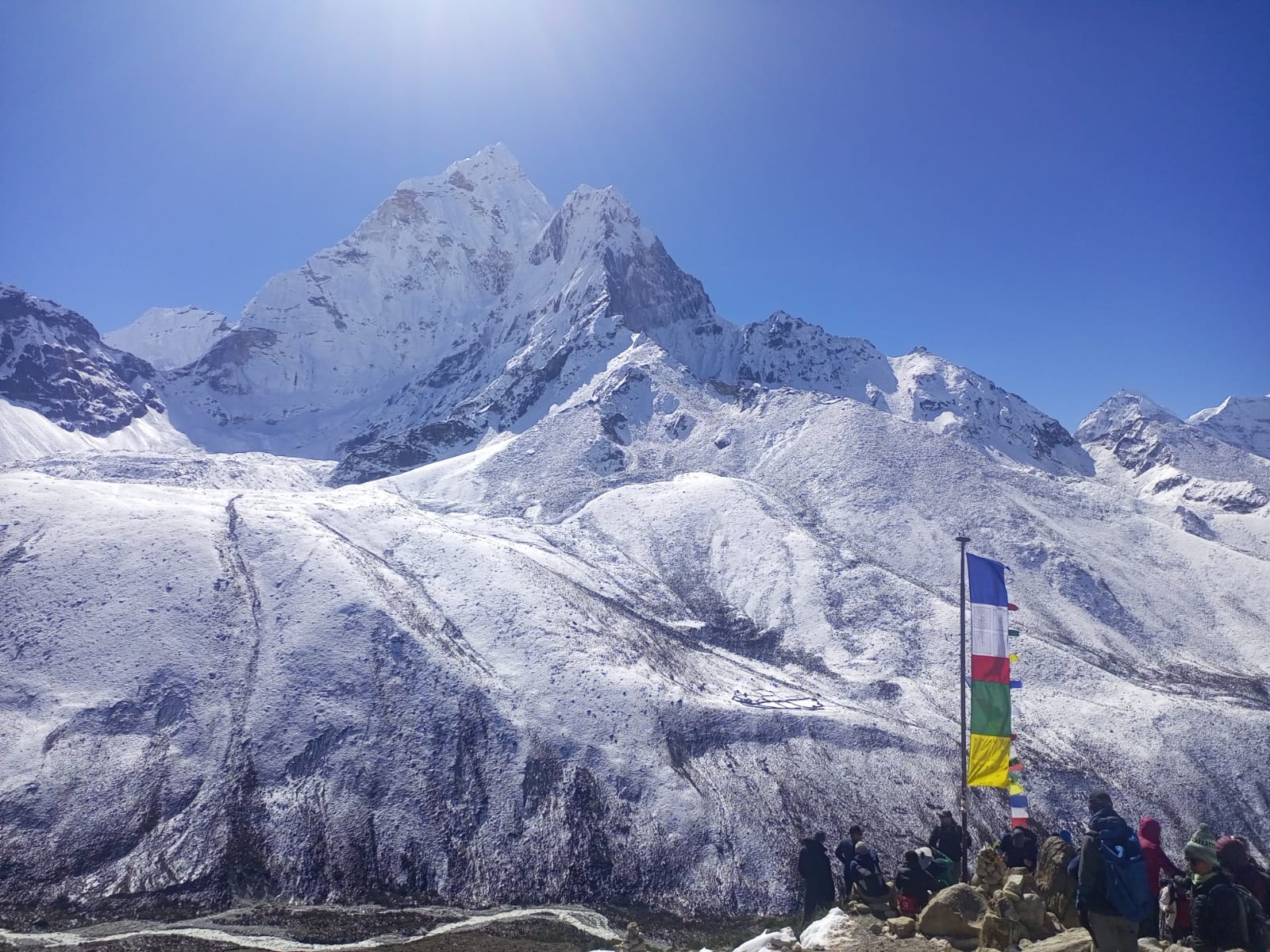
Big mountain sights wait along the Annapurna Base Camp trail, one of the few treks like it where tough climbs aren’t needed. Called ABC Trek by most travelers, it pulls in hikers wanting both effort and stunning scenery, but not burnout. As more seek doable ascents in Nepal - shorter hill paths or initial summit attempts - this journey remains full across seasons. Actual alpine vistas open up here: no gear required, only consistent movement through shifting terrain. With every stride forward, a different kind of excitement appears slowly, almost unnoticed.
Moderate Elevation Gain With Manageable Altitude
Slow climbing defines this trail. From the lowlands near Pokhara, paths creep skyward, reaching roughly 4,130 meters. The gradual gain gives most room to adjust. True, air grows thinner with altitude - still, rhythm matches breath. Bodies often sync without strain. Step follows step, steady, unforced. Most fears about thin air fade once the trail lets people find their rhythm. Curious travelers might search “Annapurna Base Camp altitude difficulty” ahead of time - only to relax upon seeing how gradual the climb turns out. Other peaks don’t play so fair. Yet here, movement matches distance, demanding nothing beyond steady footwork. Being in shape matters less than consistency. Extra strength? Overrated.
Footpaths stay clear because paths are marked ahead of time
Each stretch gets regular care, so walking stays smooth. Wayfinding works well since markers go up before anyone arrives. Routes remain usable thanks to ongoing checks along every mile
Footsteps fall easily here, guided by markers that appear like quiet suggestions along the trail. Paths wind past villages, through forests, then climb stone steps shaped by time rather than speed. Wayfinding slips into the background, so thoughts drift instead toward mist rising off rhododendrons.
Rest spots pop up when shoulders start to loosen from the rhythm. Hikers seeking something calm - maybe with a guide who knows morning tea temperatures - often land here without meaning to. Lodges dot the route like commas in a long sentence, breaking moments gently between walking stretches. Each meal arrives warm, each room waits modestly, both asking little beyond presence. Progress feels less earned and more gathered, collected step by unforced step.
Daily Walking Distance by Average Fitness
Most days, walking to Annapurna Base Camp takes about five to seven hours, depending on pace and schedule. Fitness habits make the journey smoother for some, yet even beginners manage well enough. Not steep drops or sudden climbs, just a gradual rise keeps legs steady across rugged heights. Rest comes naturally between stages, so fatigue never stacks too high. Folks comparing trek lengths or counting days in Nepal’s mountains often notice this steadiness first. A quiet rhythm grows step after step.
No Technical Climbing Experience Needed
Most people walking the Annapurna Base Camp Trail keep a regular rhythm without stopping too much. Not one section asks hikers to carry ropes or wear crampons. Ice axes sit unused; mountaineering courses matter less than stamina on this path. That openness shrinks the gap compared to harder peaks across the Himalayas. Type into a search bar terms like beginner-friendly high altitude walk Nepal, and ABC appears early in the results. Stamina while moving matters more than swinging ropes now. Because of that change, folks with all kinds of bodies can join in.
Slow to Adjust When Things Change
Step by step, the trail toward Annapurna Base Camp gently pulls you deeper into raw terrain. Thick forests humming with bird sounds come first, then terraced fields stacked on hillsides appear. As height builds slowly, woodlands fade - rocky spines covered in snow take over. With each rise, breath adjusts easily since altitude creeps upward without sudden jumps. Those chasing big peaks yet needing firm ground underfoot tend to choose this route. Each morning rolls in without drama, just small changes - shifting soil beneath your step, fresh angles of sun hitting mountain tops. As you move, the earth responds in quiet ways, not loud but clear. Never overwhelming, always shifting shape like breath.
Teahouse Workers Report Easier Workload When Assisted
Small lodges along the route let regular walkers handle the trek to Annapurna Base Camp more easily. Rather than pitching tents, travelers eat meals, sleep on real beds, while staying protected from the weather - no bulky equipment required. Lighter packs make it simpler to keep going when paths wind far beneath bright skies or icy flakes. Many choose this adventure after learning about peaceful hikes through Nepal’s high country. Assistance appears regularly by foot, which frees up strength just for walking - not handling crises.
Itineraries Adapted for Every Fitness Level
Some days move quicker on foot, others crawl - it just follows your mood. A shortcut may save hours, while a winding trail invites pauses when needed. For plenty of travelers, moving gently beats rushing every single step. Searching phrases such as personalized Annapurna trek or flexible Nepal walking routes often circulate right to this truth. Extra time at key places lets people adjust slowly, avoiding pressure on their frame. Pausing makes moments better than rushing ever could. Without too many rigid guidelines, a personal pace tends to emerge on its own.
Ideal Balance Between Challenge and Comfort
Every now and then, the trail opens up to mountain vistas that linger long after you’ve moved on. Step by step, height builds slowly, yet walking remains comfortable because signs guide the way and benches dot the route. Trees thin out as rocky walls rise, then, without warning, white summits show themselves beyond sharp ridgelines. Satisfaction creeps in quietly, born from steady movement rather than struggle.
People who have never climbed before still make it through, helped along by warm rooms in small lodges and skies that rarely surprise. Not every journey needs drama - this one runs on rhythm. Curious travelers keep typing things such as a moderate Himalayan trek or a beginner-friendly Nepal trail. Safety weighs heavily on minds, still,l people crave real moments - this path delivers both without fuss. Few trips blend gentle pacing with deep experience quite like it.